
A Loft Publications acabou de lançar a obra “Pastel Interiors: Designing Serene Spaces in Soft Hues and Gentle Light”, celebrando paletas suaves, a luz natural e a simplicidade refinada, que criam espaços que se sentem intemporais, calmos e silenciosamente convidativos.
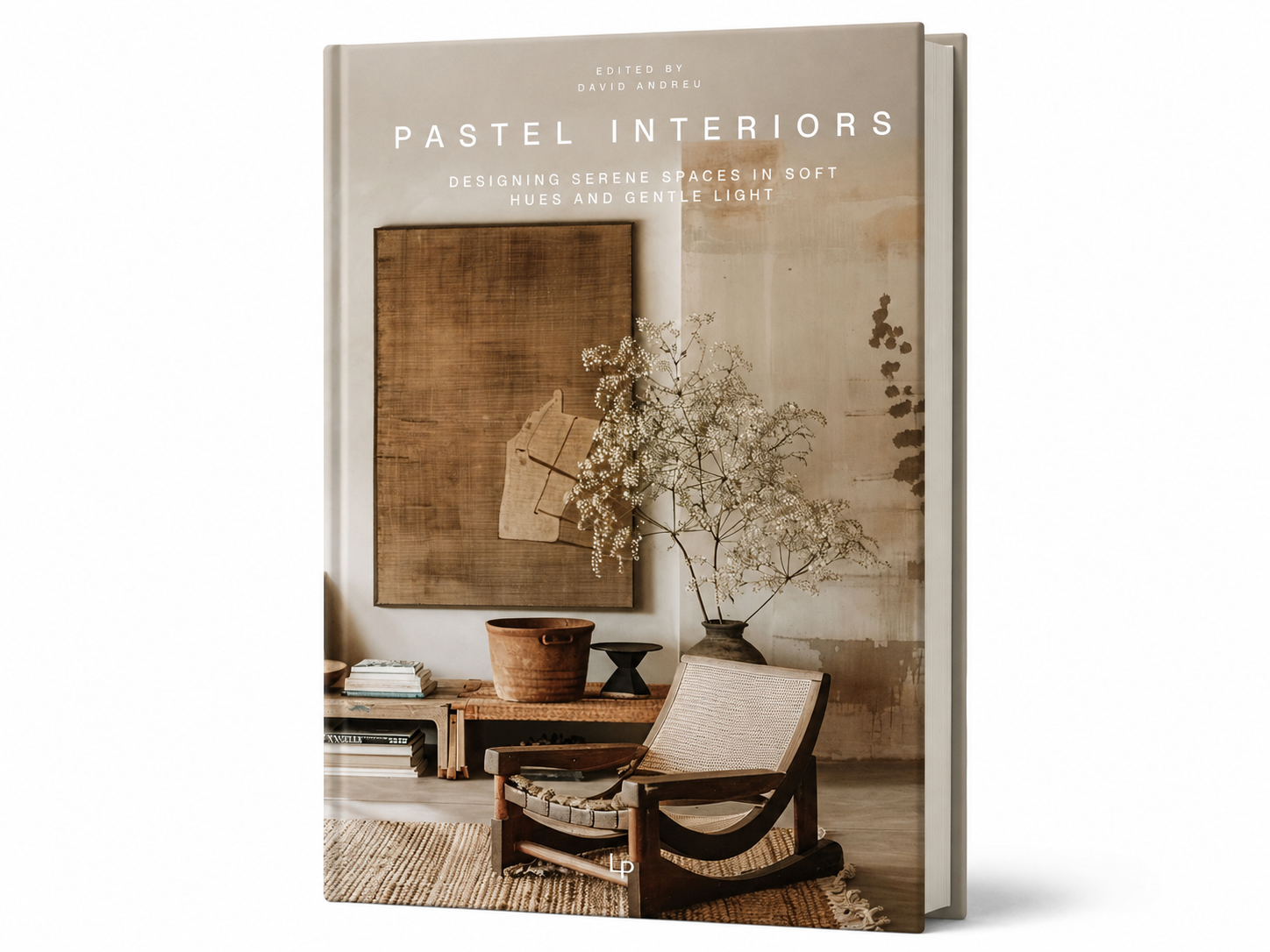
Pelas mãos de David Andreu, designer e editor de longa e notável carreira, este volume retrata 24 interiores residenciais por todo o mundo (França, Hong Kong, Canadá, Austrália, Indonésia, Grécia, Estados Unidos da América, Panamá, Bélgica, Taiwan, Brasil, Dubai, Japão, Itália, entre outros), e apresenta em destaque a Casa de Sá.
Em breve estará disponível em todas as grandes livrarias físicas e online, e em https://loftpublications.com/products/pastel-interiors.
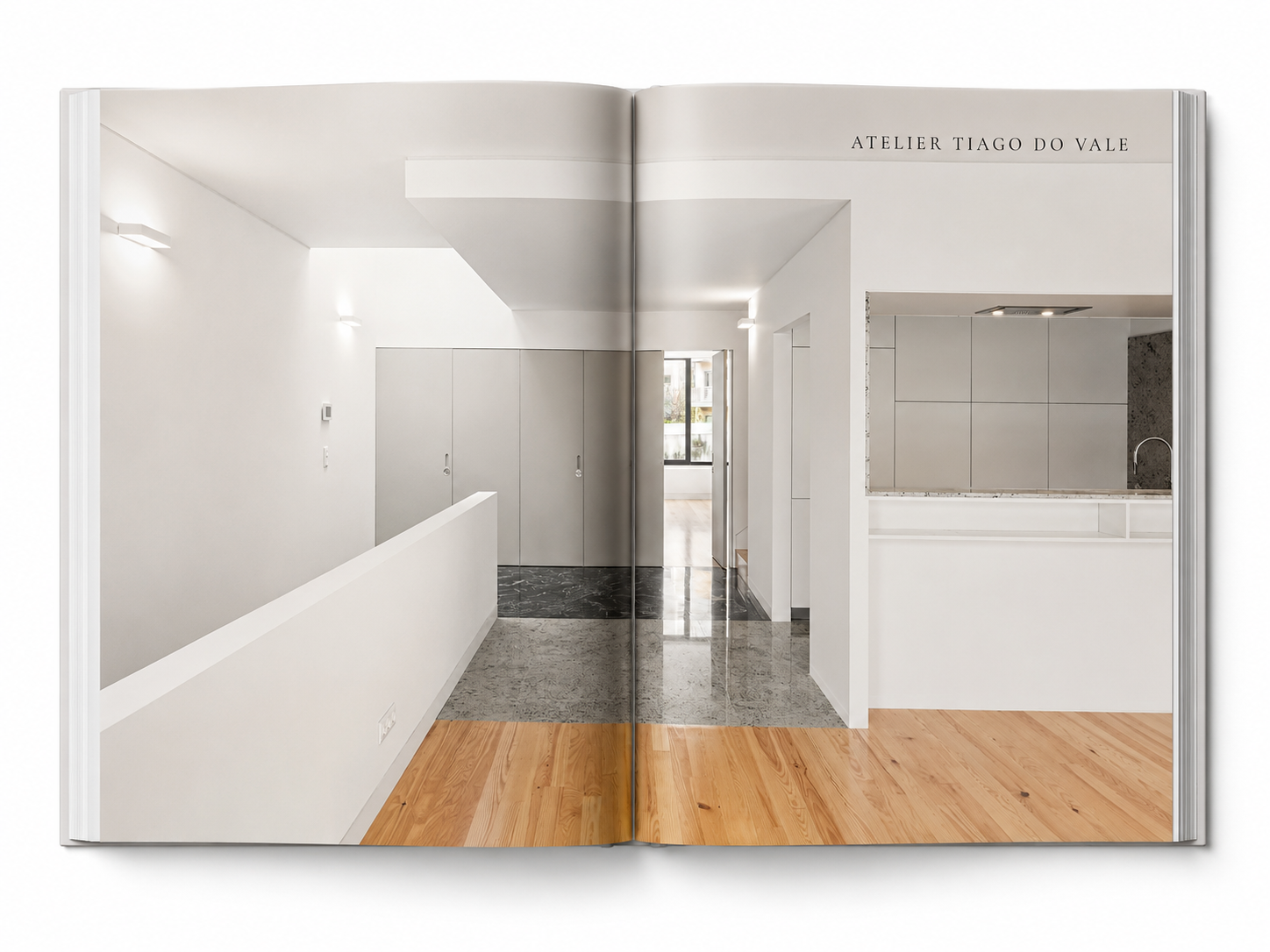
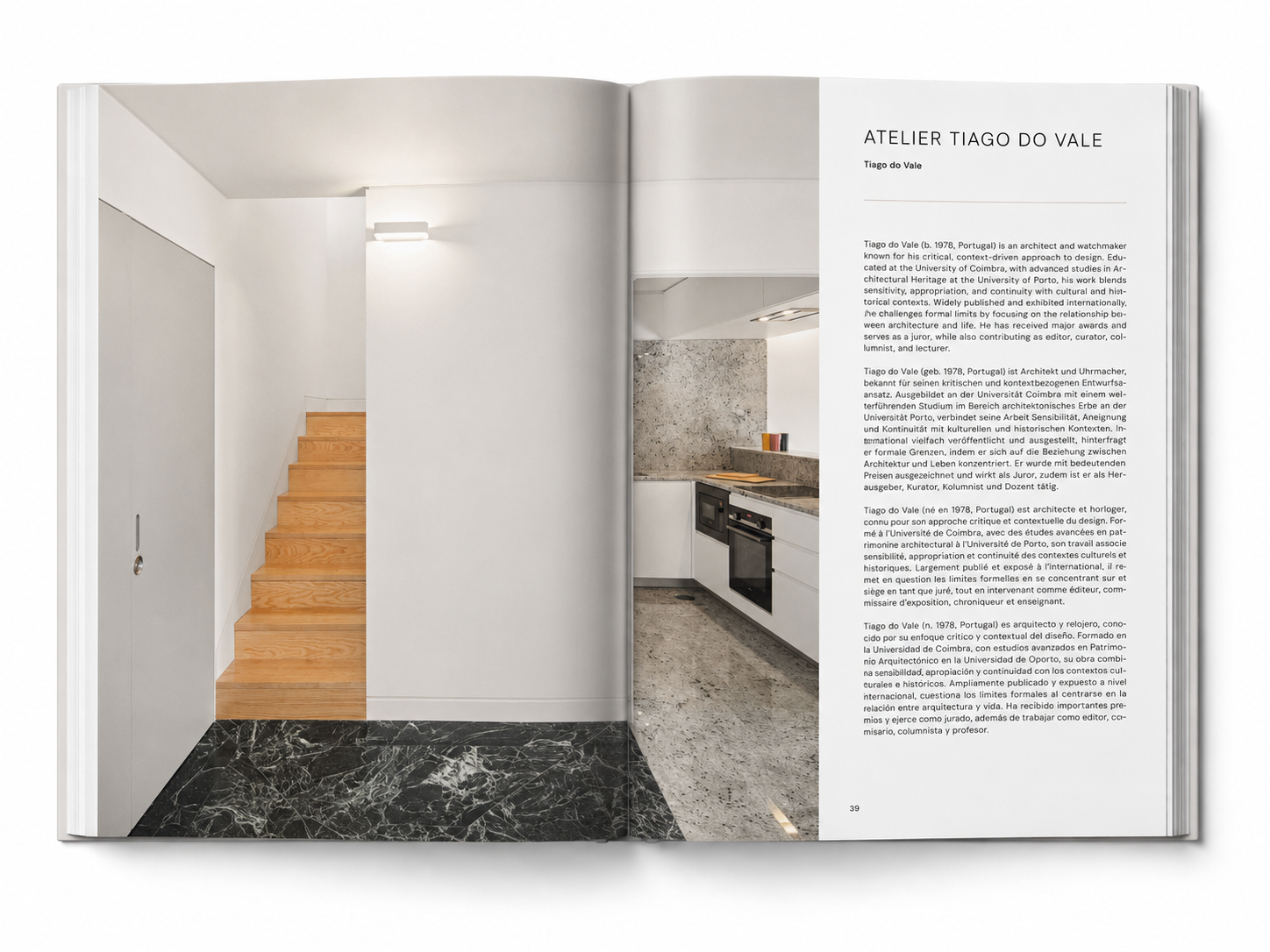
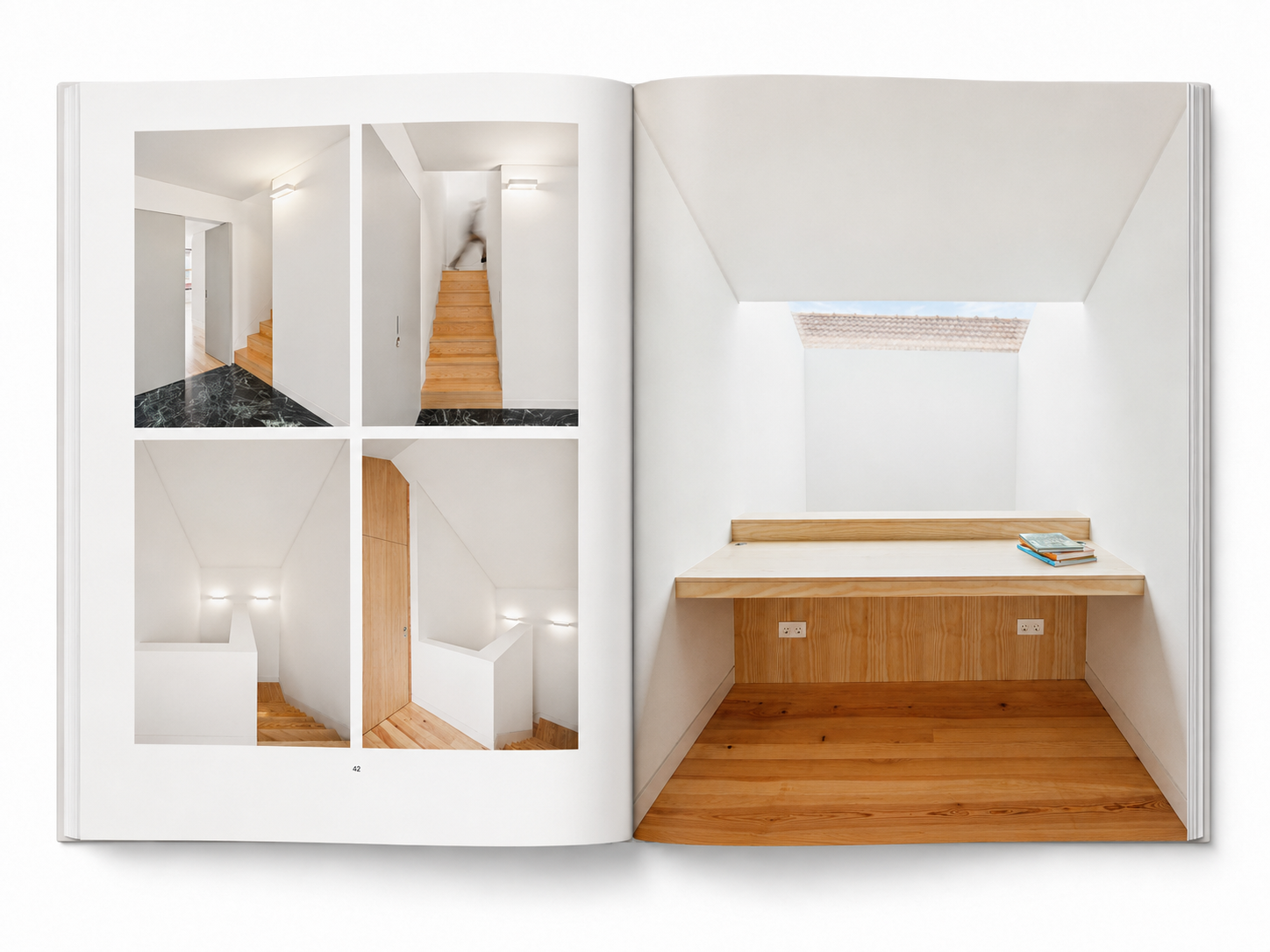
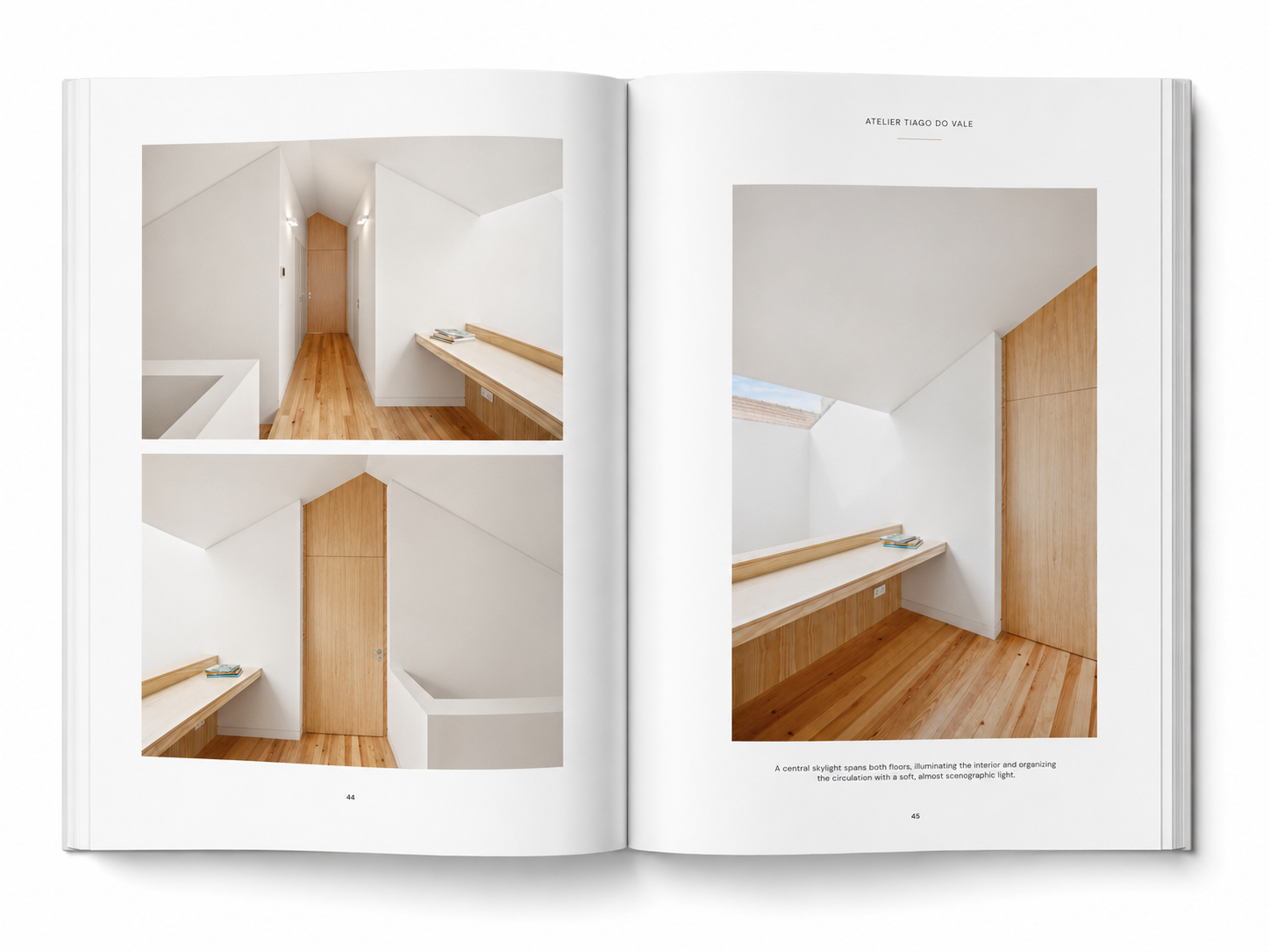
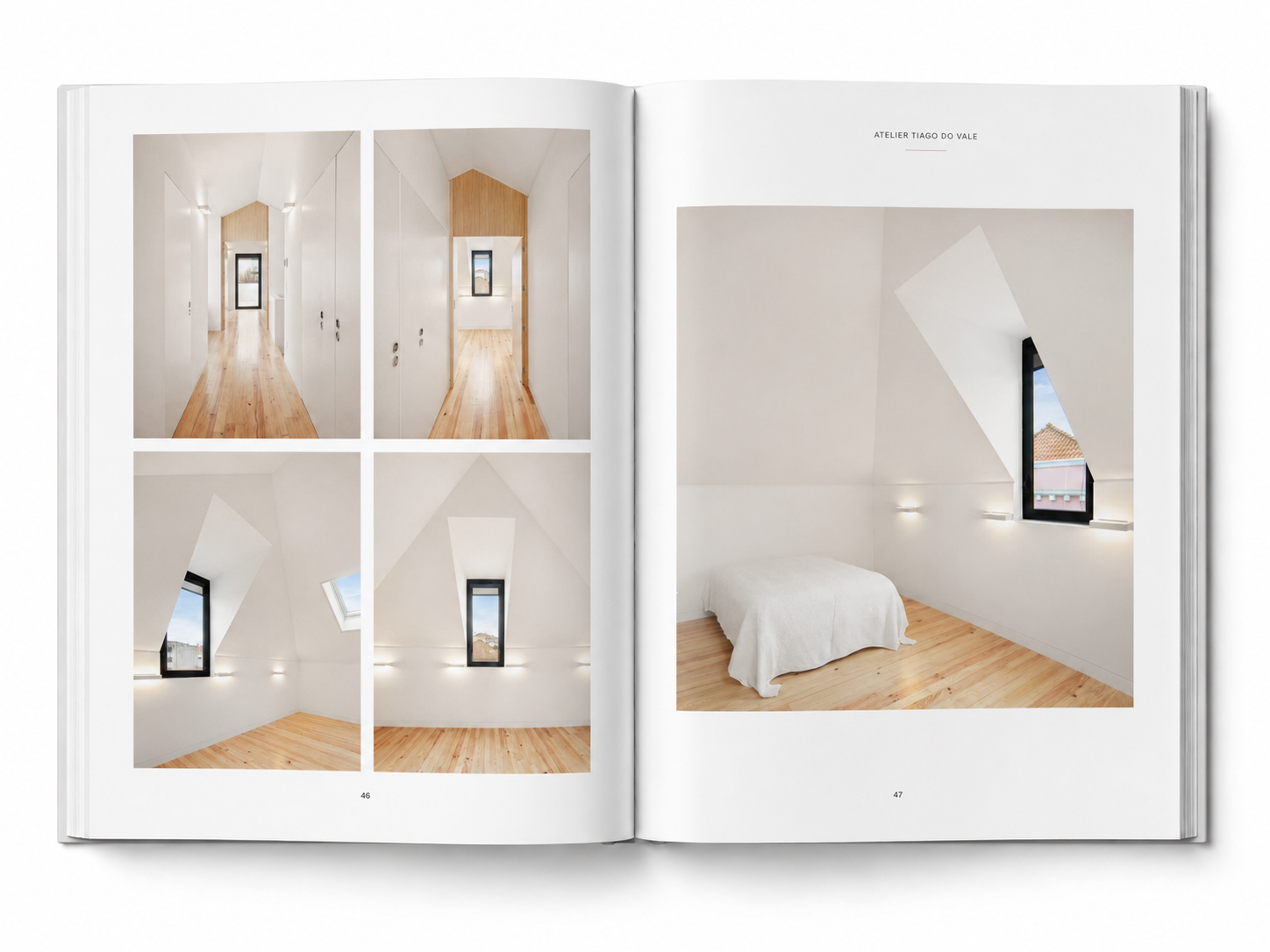
Atelier Tiago do Vale
Tiago do Vale
Tiago do Vale (b. 1978, Portugal) is an architect and watchmaker known for his critical, context-driven approach to design. Educated at the University of Coimbra, with advanced studies in Ar chitectural Heritage at the University of Porto, his work blends sensitivity, appropriation, and continuity with cultural and historical contexts. Widely published and exhibited internationally, he challenges formal limits by focusing on the relationship between architecture and life. He has received major awards and serves as a juror, while also contributing as editor, curator, columnist, and lecturer.
Tiago do Vale (geb. 1978, Portugal) ist Architekt und Uhrmacher, bekannt für seinen kritischen und kontextbezogenen Entwurfsansatz. Ausgebildet an der Universität Coimbra mit einem weiterführenden Studium im Bereich architektonisches Erbe an der Universität Porto, verbindet seine Arbeit Sensibilität, Aneignung und Kontinuität mit kulturellen und historischen Kontexten. International vielfach veröffentlicht und ausgestellt, hinterfragter formale Grenzen, indem er sich auf die Beziehung zwischen Architektur und Leben konzentriert. Er wurde mit bedeutenden Preisen ausgezeichnet und wirkt als Juror, zudem ist er als Herausgeber, Kurator, Kolumnist und Dozent tätig.
Tiago do Vale (né en 1978, Portugal) est architecte et horloger, connu pour son approche critique et contextuelle du design. Formé à l’Université de Coimbra, avec des études avancées en patrimoine architectural à l’Université de Porto, son travail associe sensibilité, appropriation et continuité des contextes culturels et historiques. Largement publié et exposé à l’international, il remet en question les limites formelles en se concentrant sur la relation entre architecture et vie. Il a reçu d’importants prix et siège en tant que juré, tout en intervenant comme éditeur, commissaire d’exposition, chroniqueur et enseignant.
Tiago do Vale (n. 1978, Portugal) es arquitecto y relojero, conocido por su enfoque crítico y contextual del diseño. Formado en la Universidad de Coimbra, con estudios avanzados en Patrimonio Arquitectónico en la Universidad de Oporto, su obra combina sensibilidad, apropiación y continuidad con los contextos culturales e históricos. Ampliamente publicado y expuesto a nivel internacional, cuestiona los límites formales al centrarse en la relación entre arquitectura y vida. Ha recibido importantes premios y ejerce como jurado, además de trabajar como editor, comisario, columnista y profesor.
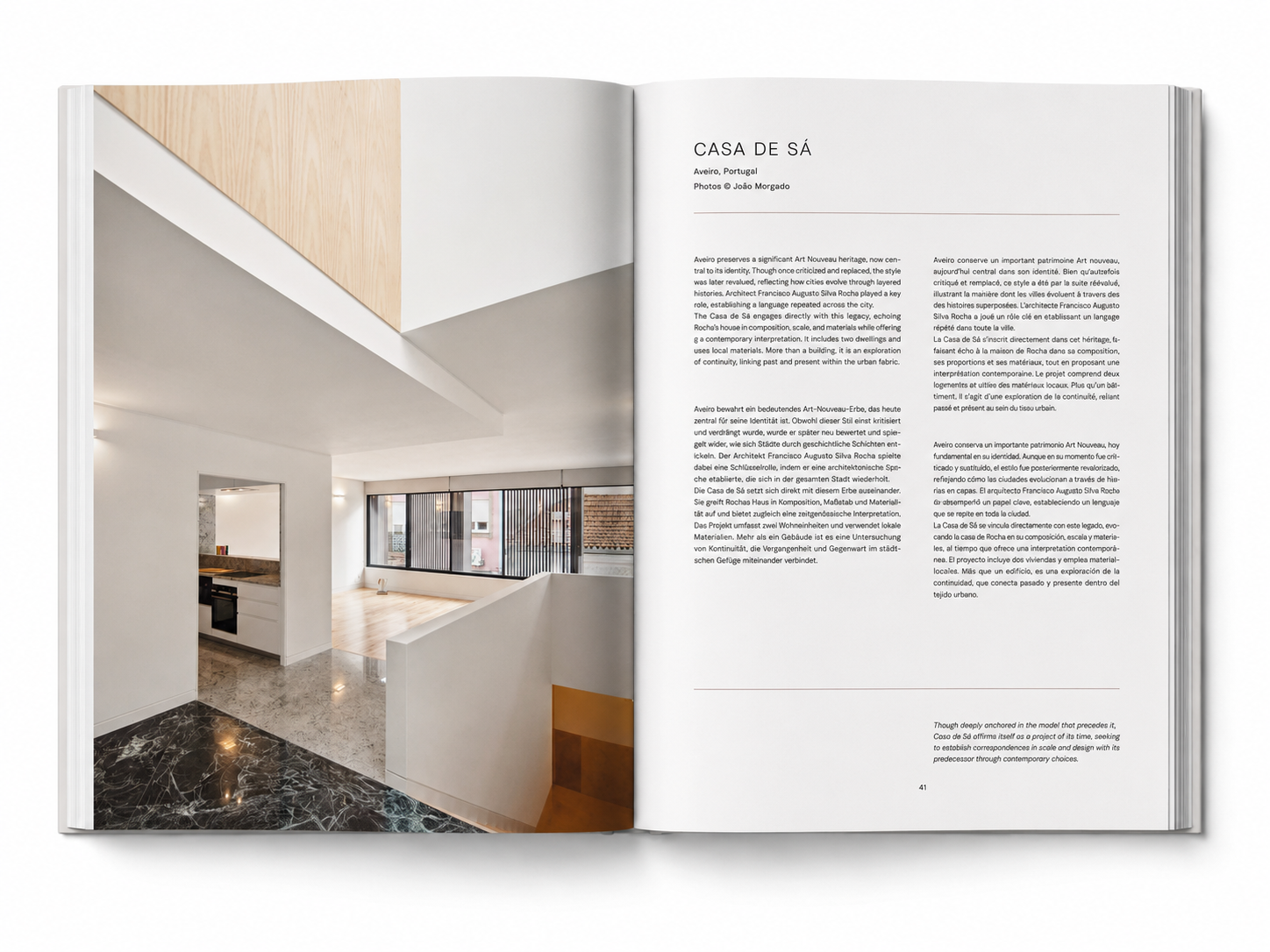
Casa de Sá
Aveiro, Portugal
Photos © João Morgado
Aveiro preserves a significant Art Nouveau heritage, now central to its identity. Though once criticized and replaced, the style was later revalued, reflecting how cities evolve through layered histories. Architect Francisco Augusto Silva Rocha played a key role, establishing a language repeated across the city.
The Casa de Sá engages directly with this legacy, echoing Rocha’s house in composition, scale, and materials while offering a contemporary interpretation. It includes two dwellings and uses local materials. More than a building, it is an exploration of continuity, linking past and present within the urban fabric.
Aveiro bewahrt ein bedeutendes Art-Nouveau-Erbe, das heute zentral für seine Identität ist. Obwohl dieser Stil einst kritisiert und verdrängt wurde, wurde er später neu bewertet und spiegelt wider, wie sich Städte durch geschichtliche Schichten entwickeln. Der Architekt Francisco Augusto Silva Rocha spielte dabei eine Schlüsselrolle, indem er eine architektonische Sprache etablierte, die sich in der gesamten Stadt wiederholt.
Die Casa de Sá setzt sich direkt mit diesem Erbe auseinander. Sie greift Rochas Haus in Komposition, Maßstab und Materialität auf und bietet zugleich eine zeitgenössische Interpretation. Das Projekt umfasst zwei Wohneinheiten und verwendet lokale Materialien. Mehr als ein Gebäude ist es eine Untersuchung von Kontinuität, die Vergangenheit und Gegenwart im städtischen Gefüge miteinander verbindet.
Tiago do Vale (né en 1978, Portugal) est architecte et horloger, connu pour son approche critique et contextuelle du design. Formé à l’Université de Coimbra, avec des études avancées en patrimoine architectural à l’Université de Porto, son travail associe sensibilité, appropriation et continuité des contextes culturels et historiques. Largement publié et exposé à l’international, il remet en question les limites formelles en se concentrant sur la relation entre architecture et vie. Il a reçu d’importants prix et siège en tant que juré, tout en intervenant comme éditeur, commissaire d’exposition, chroniqueur et enseignant.
Aveiro conserva un importante patrimonio Art Nouveau, hoy fundamental en su identidad. Aunque en su momento fue criticado y sustituido, el estilo fue posteriormente revalorizado, reflejando cómo las ciudades evolucionan a través de historias en capas. El arquitecto Francisco Augusto Silva Rocha desempeñó un papel clave, estableciendo un lenguaje que se repite en toda la ciudad.
La Casa de Sá se vincula directamente con este legado, evocando la casa de Rocha en su composición, escala y materiales, al tiempo que ofrece una interpretación contemporánea. El proyecto incluye dos viviendas y emplea materiales locales. Más que un edificio, es una exploración de la continuidad, que conecta pasado y presente dentro del tejido urbano.
Though deeply anchored in the model that precedes it, Casa de Sá affirms itself as a project of its time, seeking to establish correspondences in scale and design with its predecessor through contemporary choices.

