
Interview with Tiago do Vale – Architecture Lab
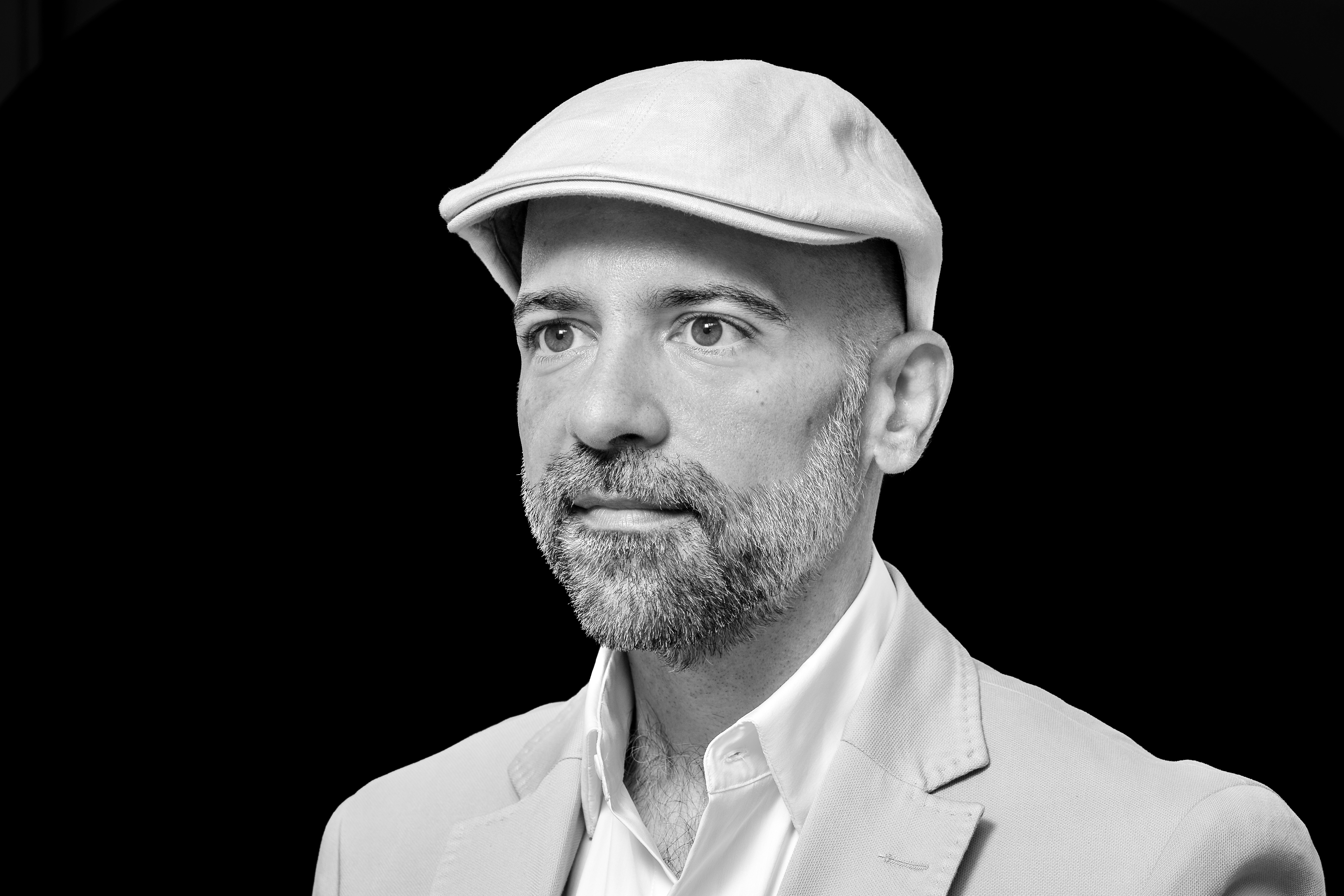
Tiago do Vale is a Portuguese architect and founder of Tiago do Vale Arquitectos, a Braga-based practice established in 2010 and working across architecture, urban rehabilitation, hospitality, housing, and cultural projects. The studio has developed a body of work distinguished by its engagement with heritage, construction culture, and the relationship between contemporary architecture and existing contexts. Its projects include the rehabilitation of the Three Cusps Chalet in Braga, Cerdeiras House Hotel in the Peneda-Gerês region, and a range of residential, hospitality, and adaptive reuse projects across Portugal. Alongside professional practice, Tiago do Vale has been active in research, publishing, teaching, and public debate, exploring questions of preservation, transformation, and architectural continuity. The studio’s work has been featured in Architecture Lab, ArchDaily, Divisare, Plataforma Arquitectura, and other international architectural publications.
What inspires you?
Everything that has shape, structure, rhythm, memory, or complexity can be a source of inspiration. It can be something very direct—a constructive detail, a façade, a landscape, a material—or something more abstract, such as music, science, a technical object, or the way a certain place has slowly adapted to life over time.
But inspiration, for me, is not a sudden image that appears from nowhere: it starts with looking carefully. First, one has to understand the place, the people, the programme, the history, the constraints, and the opportunities. From that attentive reading, almost anything can become useful to the design process.

What inspired you to become a designer?
I came to architecture more through curiosity than through a childhood vocation. Before architecture, I was fascinated by astronomy—the sheer scale, the call for abstraction, the food for imagination, but also the scientific rigour and the possibility of understanding the world through knowable systems—and later by car design, which introduced me to form, technique, construction, and the expressive potential of objects.
Architecture eventually appeared as a very attractive synthesis of all those interests: conceptual thinking, construction, art, technique, and a real impact on people’s lives. It seemed to bring together the abstract and the concrete in a way few disciplines can.
How would you describe your design philosophy?
I would describe it less as a fixed philosophy and more as an attitude towards each project. I am not very interested in style as a starting point: style can easily become a shortcut, or a form of self-censorship imposed on the project before it has had a chance to reveal itself, constricting the range of possibilities for good architectural solutions.
Our work starts from the circumstances: the place, the programme, the client, the construction culture, the history, significances, and expectations around a building. The aim is to find a clear, precise, and meaningful answer to all those conditions, not to impose a preconceived architectural language.
I believe in architecture as continuity: not nostalgia, not imitation, but a critical continuation of the built environment. The architect should understand what already exists—physically, culturally, and technically—and then decide what must be preserved, transformed, clarified, or added.
What is your favourite project?
I do not naturally think of projects in terms of favourites because each one teaches us something different. Sometimes the smallest project produces the most important lesson; sometimes a complex project gives the office a new level of maturity.
But if I had to choose one, the Three Cusps Chalet remains particularly important. It condensed many of the themes that still interest me: rehabilitation, memory, construction, domesticity, light, the relationship between old and new, and the possibility of making a building contemporary without erasing its previous life.
It was also an important project for the office because it became a kind of calling card. It showed, in a small building, a way of thinking about architecture that is still very present in our work.
What is your favourite detail?
I tend to be interested in details that do not behave like isolated moments, but that quietly explain the whole project.
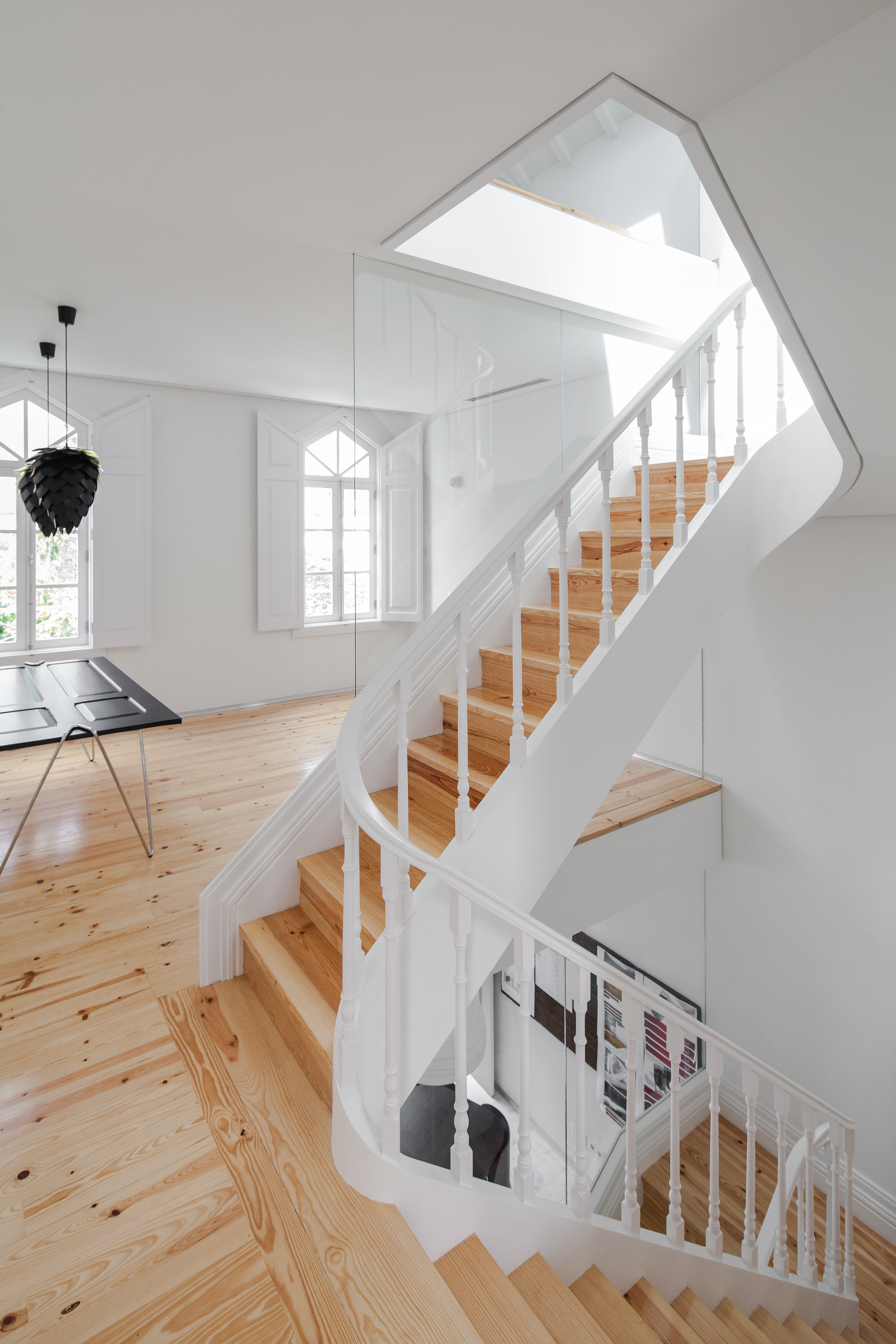
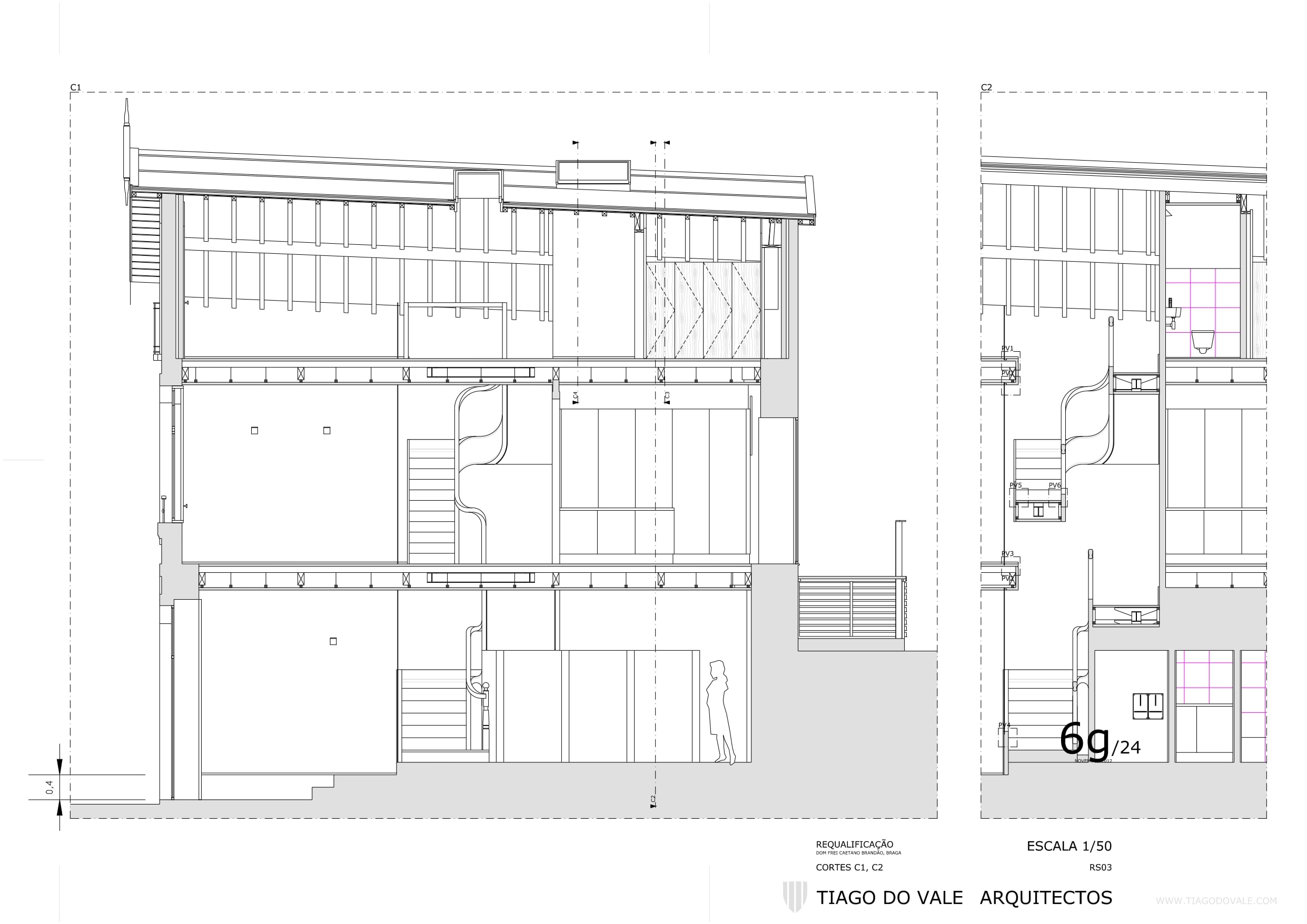
In the Three Cusps Chalet, I am very fond of the way the staircase organizes the house. It is a modest element, but it clarifies the plan, filters relationships between spaces, and allows light to move through the section. In a way, it contains the logic of the entire project.
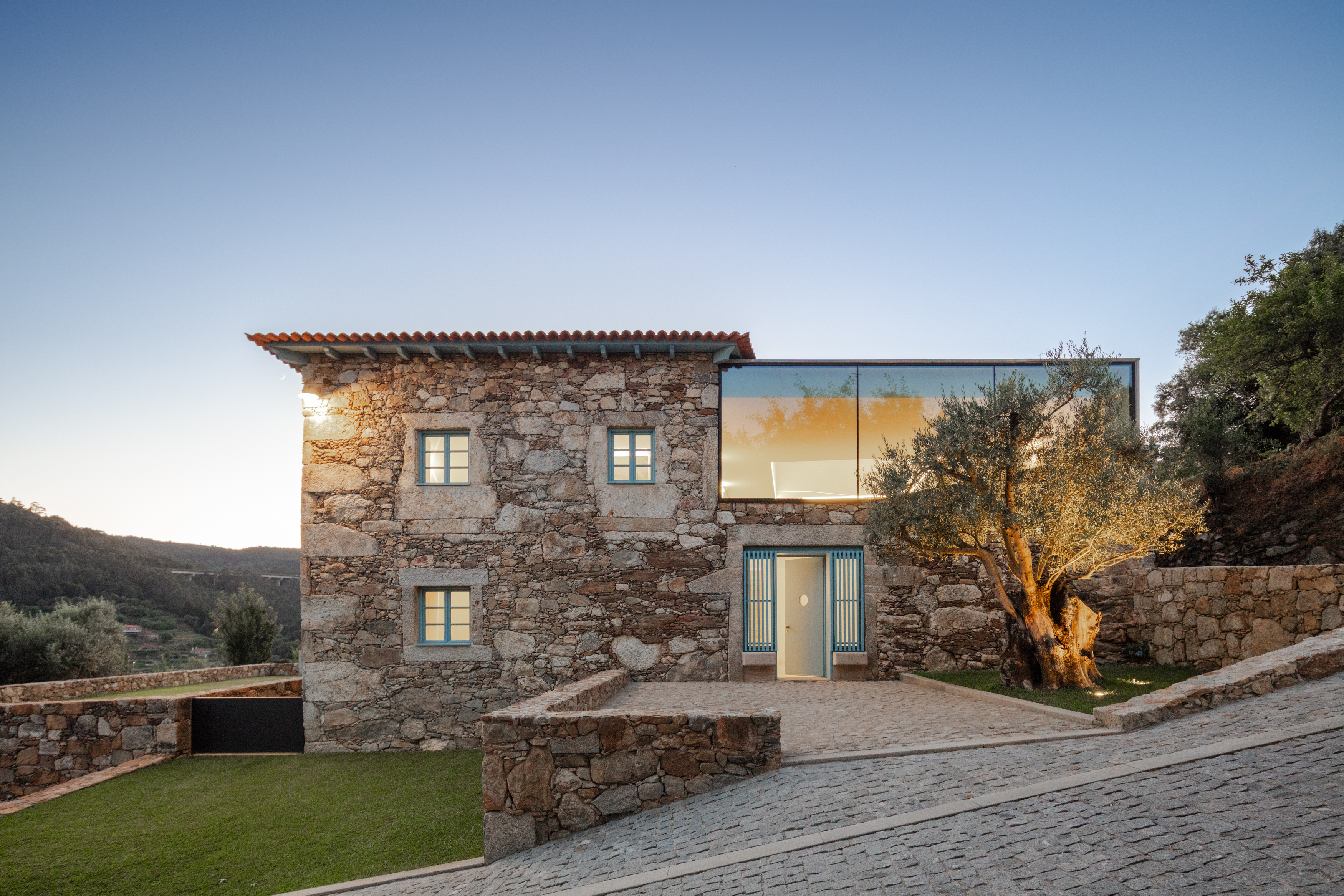
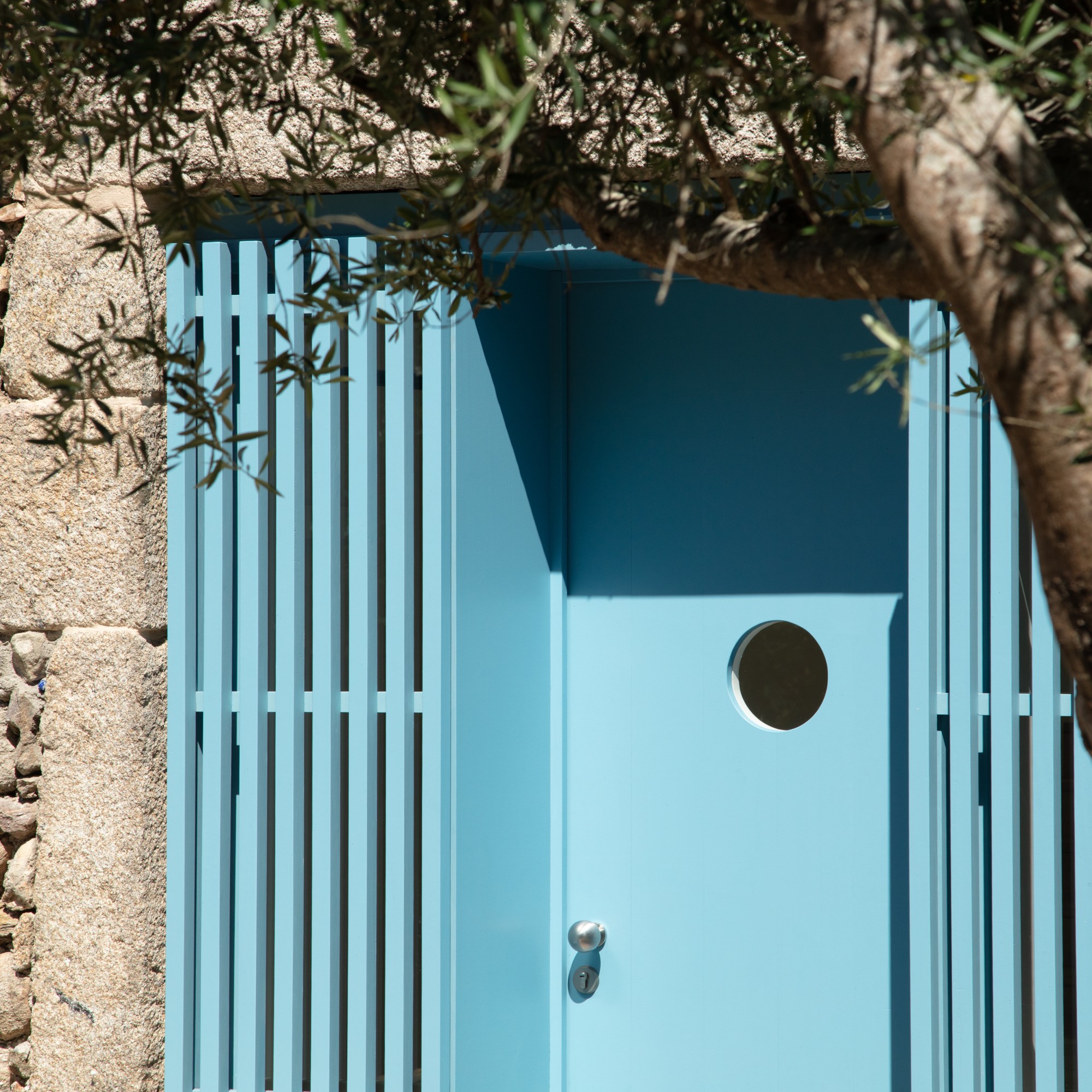
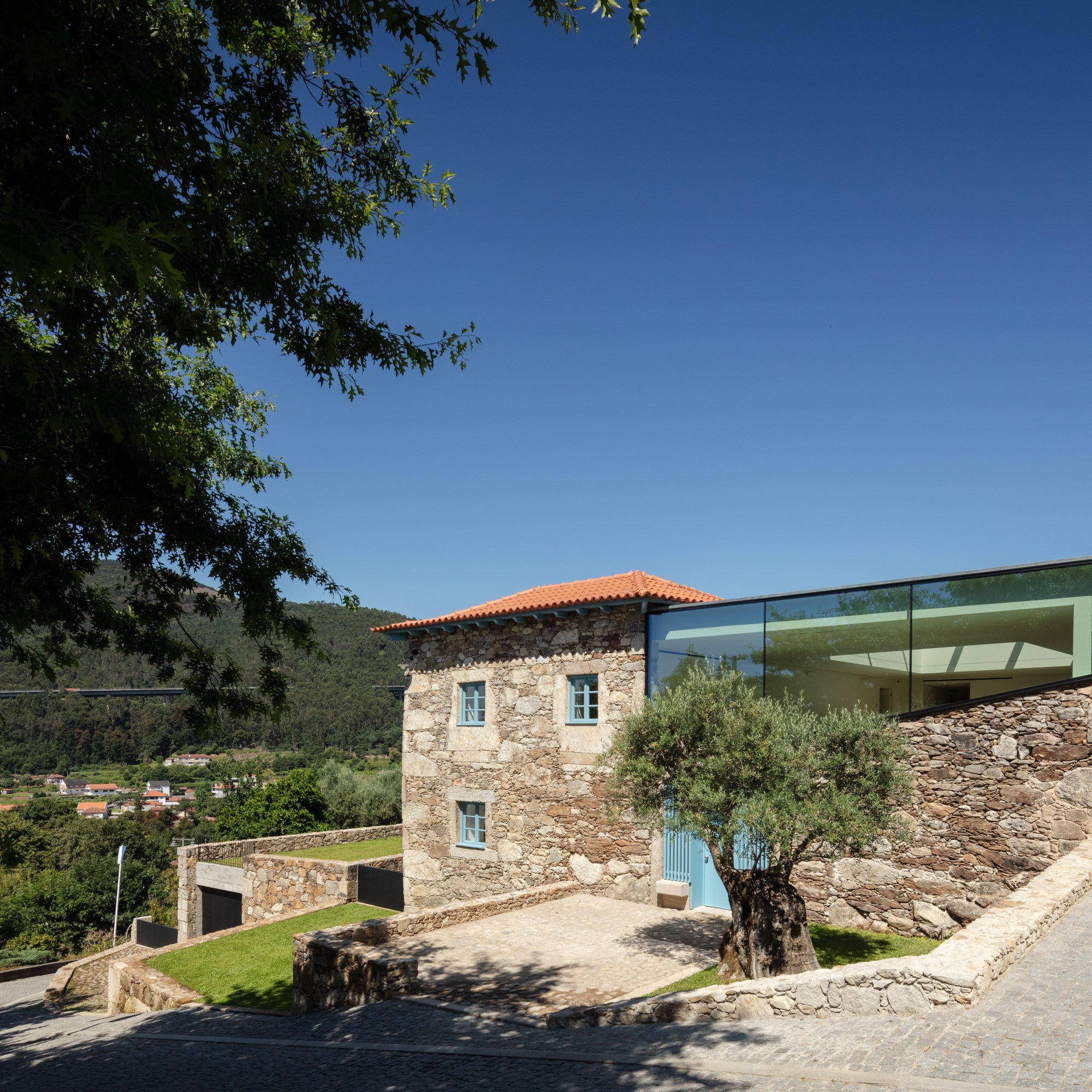
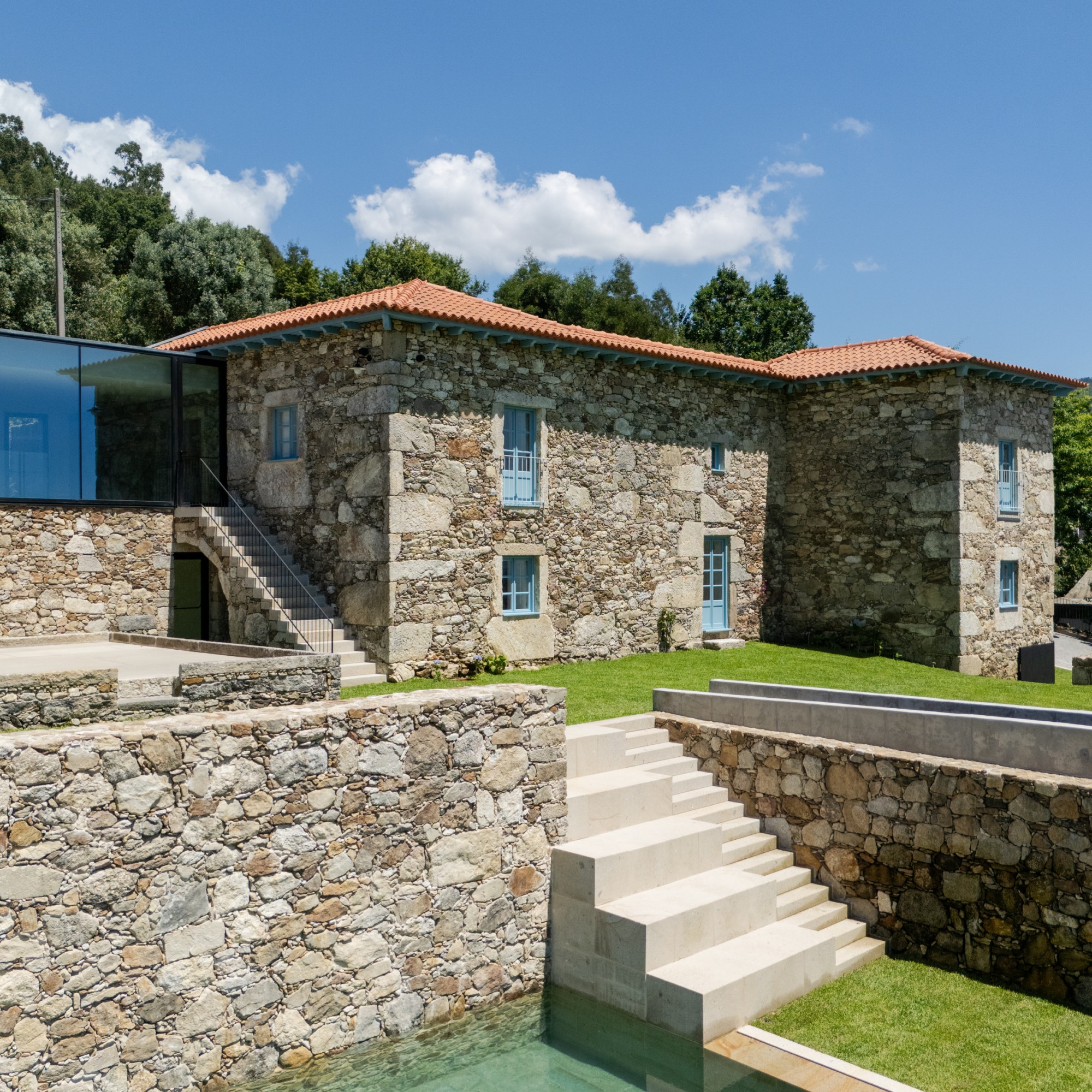
In the Cerdeiras House Hotel, I would probably point to the entrance threshold: the large former courtyard opening reinterpreted at a domestic scale, using references to the vernacular architecture of the Alto Minho—the namoradeiras seats, the timber slats of granaries, and the copper-sulphate pigments. It is a detail, but it is also a manifesto: memory used as a constructive material, not as decoration.
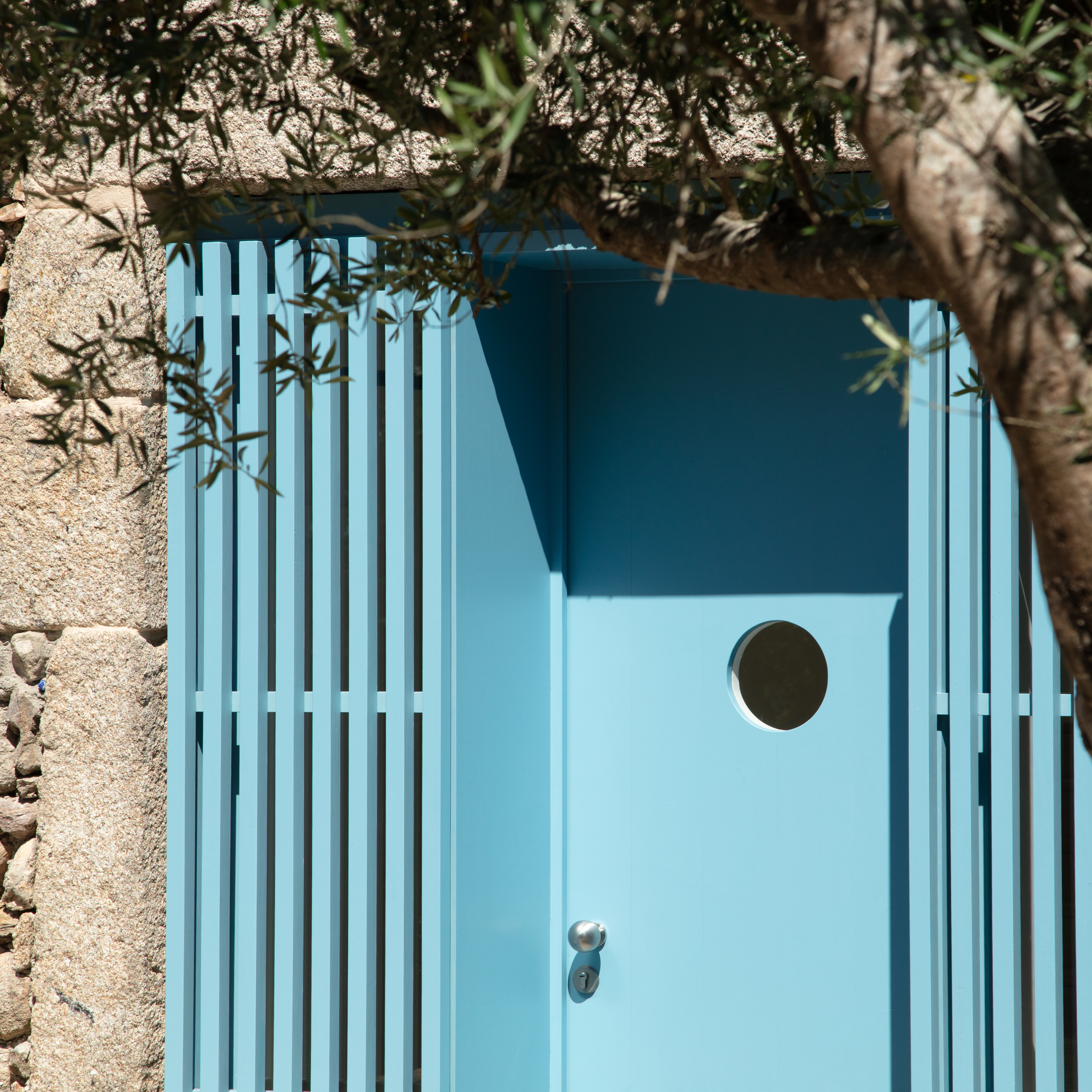
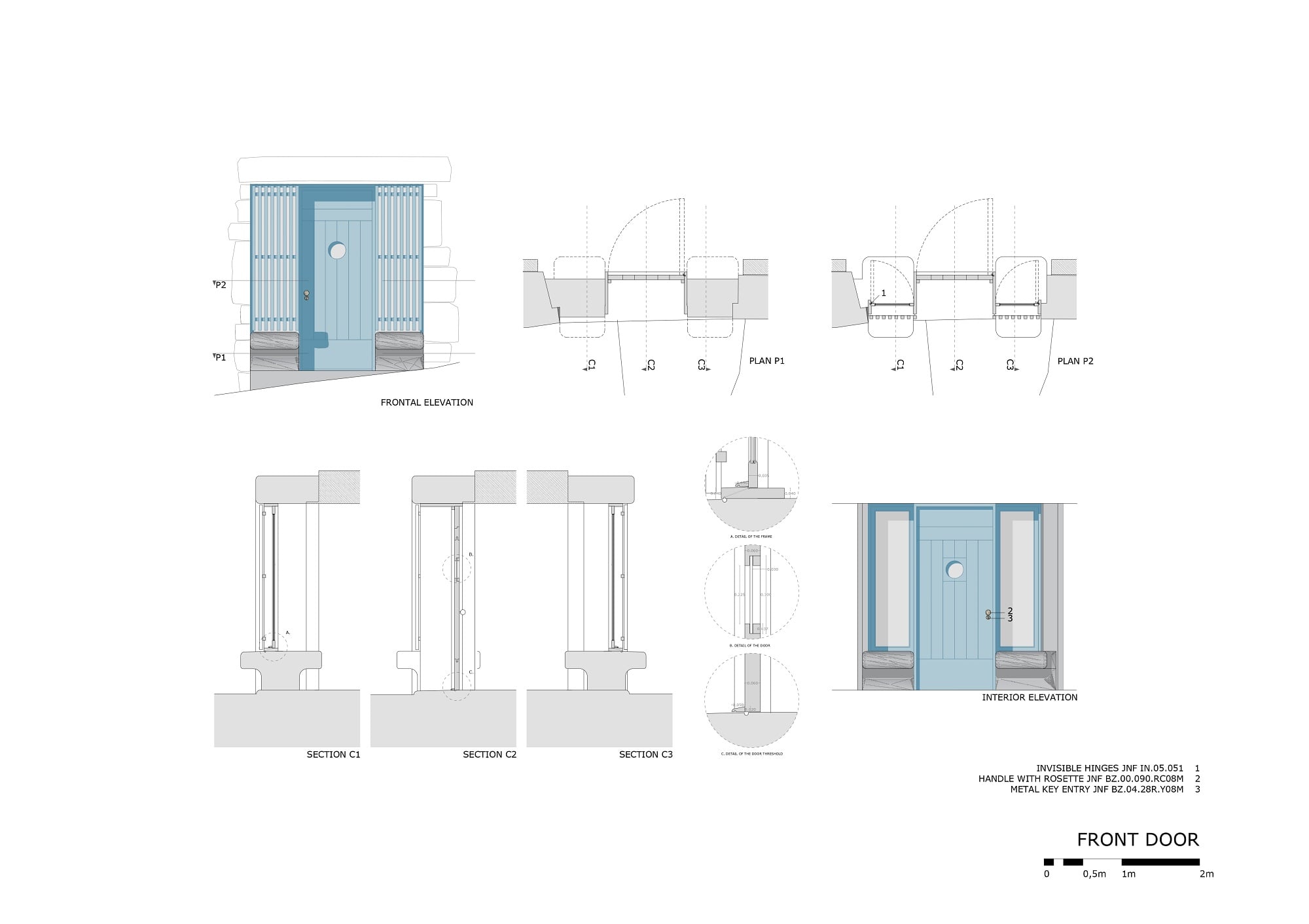
But I am not sure I have a favourite detail in the conventional sense. For me, the importance of a detail is never isolated from the whole. I am interested in the way all details participate in the same architectural intention, belong to the same idea, and make construction, use, materiality, and architectural experience inseparable.
Do you have a favourite material?
I do not think I have a favourite material in an absolute sense. Materials only become interesting when they are appropriate: to a place, to a construction system, to a use, or to a certain atmosphere.
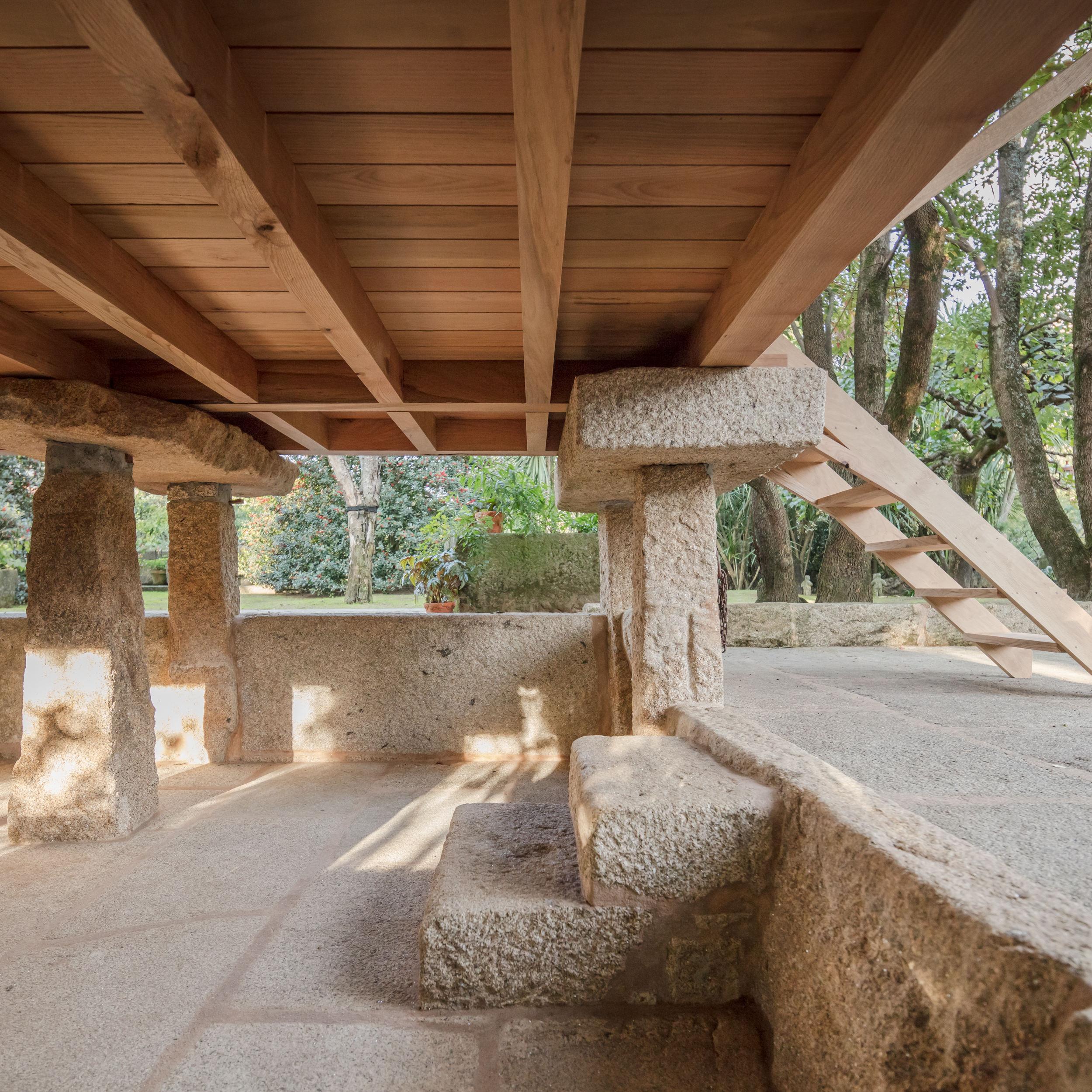
That said, I often return to wood, stone, lime, tile, marble, and traditional craft-based materials because they carry knowledge about the places where I usually intervene. They are not neutral. They contain a history of use, maintenance, climate, economy, and culture.
Wood is particularly compelling because it is structural, tactile, warm, precise, and adaptable. It can be both very ordinary and very sophisticated. But the real preference is not for a material; it is for materials that belong to the place and the local culture.
What is your process for starting a new project?
The first step is not to draw. The first step is to understand.
We begin by studying the programme, the client’s expectations, the site, the constraints, the legal framework, the construction culture, and the broader context. I try to understand not only what the client asks for, but what the project is asking for.
Only then do we start testing hypotheses. Usually these begin as sketches, diagrams, and simple schemes rather than fully developed drawings or 3D models. At the beginning, the project must remain light enough to change: it is important to be able to discard ideas without regret.
As the solution becomes clearer, we move progressively into more precise drawings, models, and details, always jumping between scales. Architecture is never solved only from the general to the particular; sometimes a small detail forces us to rethink the whole strategy.
How do you fuel your creativity?
By staying curious outside architecture.
Architecture can absorb almost everything: engineering, industrial design, history, music, poetry, astronomy, technology, craftsmanship, and everyday life. The wider our field of attention, the richer our intuition becomes.
But creativity also needs method. It is not enough to wait for an idea. We have to build a process that allows ideas to appear, to be tested, contradicted, improved, or abandoned. Creativity is fuelled by curiosity, but it is made useful through discipline.
What inspired the Three Cusps Chalet?
The building itself.
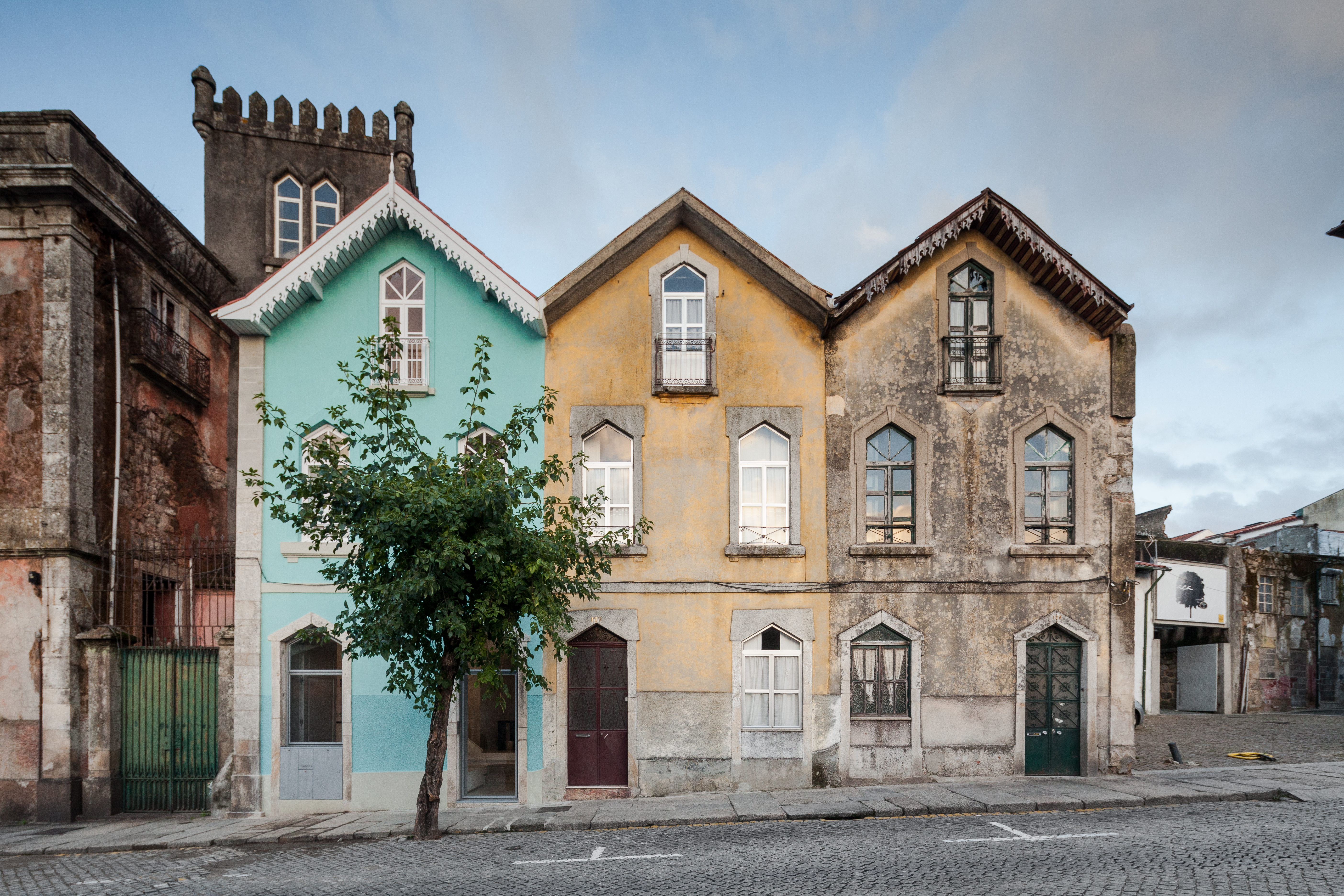
The Three Cusps Chalet was already a remarkable object before our intervention. It carried a very specific story: a Portuguese urban building from the nineteenth century, marked by an unexpected alpine influence that arrived through the cultural exchanges between Portugal and Brazil. It was modest, but full of identity.
When we found it, much of that identity had been obscured by successive unqualified interventions. Our inspiration was not to invent a new character for the building, but to recover the strength of the one it already had.
The project was therefore about balance: restoring without freezing, transforming without erasing, and making the house suitable for contemporary life while allowing its previous life to remain legible.
How did materiality shape the Cerdeiras House Hotel?
In the Cerdeiras House Hotel, materiality is not only a question of atmosphere; it is almost the structure of the narrative.
The project deals with a rural complex shaped by successive cycles of construction, abandonment, reconstruction, and transformation. The surviving granite and schist façades, the terraces, the robust retaining walls, the granary, the timber structures, the hydraulic tiles, the pink marble, and the handmade tiles are not simply finishes; they are part of the memory of the place.
The challenge was to respect that memory without turning it into a theatrical reconstruction. Some elements were recovered, some were reconstructed, and others were reinterpreted in a clearly contemporary way. The materials helped us distinguish between those different moments while keeping them in dialogue.
In that sense, materiality shaped the project by giving continuity to different times. It allowed the hotel to become another chapter in the history of the house rather than a break from it.
What advice would you give to young architects?
I would tell them not to start with style. Start with curiosity, method, and construction.
Build a broad culture. Look at architecture, of course, but also at everything around it: cities, landscapes, objects, music, history, technology, craft, politics, economics, and daily life. Architecture is a discipline of synthesis, and the richer your world is, the richer your work can become.
Then learn to work. Talent is useful, but it can also be dangerous if it becomes an excuse for avoiding discipline. Good architecture requires patience, repetition, doubt, revision, and the capacity to throw away hours of work when the project demands it.
And finally, remain modest. Architects are not isolated authors placing objects in the world. We work on the built environment for other people, with consequences that outlast us. Our work should not create conflicts with the past, and it should not create unnecessary conflicts with the future.
Original em: https://www.architecturelab.net/interview-with-tiago-do-vale-tiago-do-vale-architects/

